

Introduction
Blackjack remains the most popular table game in Australian casinos, and the right strategy can turn a modest bankroll into steady wins. Players who follow the mathematically proven basic strategy reduce the house edge to under half a percent. Following the guide reduces the house edge to under half a percent, giving you a realistic chance to profit over time. The guide below walks you through each decision point, so you can play confidently at any live or online table, including the offerings at johnvegas casino. As of 2026, most Australian platforms display the strategy chart on the side of the virtual table, making reference easy.
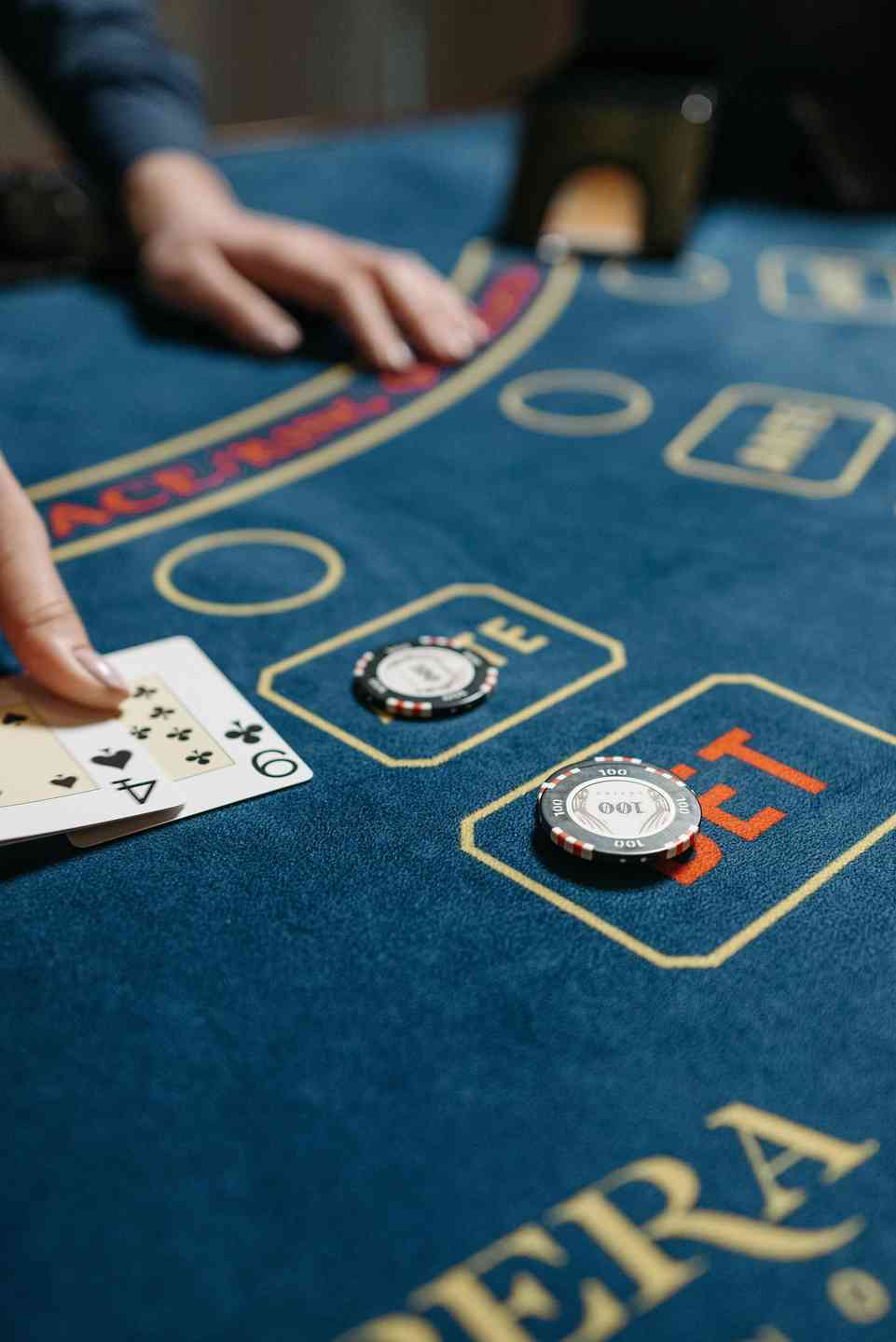
Practicing the chart on a free demo platform lets you internalize each move before risking real money. You should allocate a bankroll that covers at least fifty minimum bets, which gives you enough cushion to survive inevitable losing streaks. Keeping a record of every session helps you spot patterns in your play and adjust your bet size responsibly.
Main Points
Know the Dealer’s Upcard
You should always start by looking at the dealer’s upcard. The dealer’s 2 through 6 signals a higher chance of busting, so you can adopt a more aggressive stance. If the dealer shows 7 through Ace, you must play conservatively because the dealer is likely to finish with a strong hand.
Hard Totals
Hard totals contain no ace counted as 11. For hard 8 or less, you must hit regardless of the dealer’s card. For hard 9, you double down only when the dealer shows 3 through 6; otherwise you hit. Hard 10 and 11 deserve a double down against dealer cards 2 through 9, because your chance of landing a high card increases your profit potential. Hard 12 through 16 require a split decision: you stand if the dealer shows 2 through 6, but you hit when the dealer shows 7 through Ace. Hard 17 and above always stand, as the risk of busting outweighs any benefit from hitting.
Soft Totals
Soft totals include an ace counted as 11. For soft 13 or 14 (A‑2, A‑3), you double down only against dealer 5 or 6; otherwise you hit. Soft 15 and 16 (A‑4, A‑5) follow the same rule, with double down against dealer 4 through 6. Soft 17 (A‑6) lets you double against dealer 3 through 6; if the dealer shows 2, 7, or higher you simply hit. Soft 18 (A‑7) is a pivot point: you stand against dealer 2, 7, or 8; you double against 3 through 6; you hit against 9, 10, or Ace. Soft 19 and higher always stand, because the hand already exceeds most dealer totals.
Pairs
You should split pairs to create two potentially winning hands. Split 2s and 3s against dealer 2 through 7; otherwise hit. Split 4s only when the dealer shows 5 or 6, and treat other situations as a hard 8. Split 5s never; instead treat them as a hard 10 and double when appropriate. Split 6s against dealer 2 through 6, otherwise hit. Split 7s against dealer 2 through 7; stand against 8 through Ace. Split 8s always, because two eights give you a strong starting point. Split 9s against dealer 2 through 6 and 8 or 9; stand against 7, 10, or Ace. Never split 10s or face cards, as a total of 20 already guarantees a win in most cases.
Special Rules and Variations
Australian venues sometimes offer surrender, which lets you forfeit half your bet and keep the hand alive when the dealer shows a strong upcard. You should surrender hard 16 against dealer 9, 10 or Ace, and hard 15 against dealer 10, because the expected loss drops below the regular hit outcome. If a casino disables double after split, you must treat split hands as separate hard totals and avoid the extra double opportunity.
| Player Hand | Dealer 2‑6 | Dealer 7‑A |
|---|---|---|
| Hard 8‑ | Hit | Hit |
| Hard 9 | Double | Hit |
| Hard 10 | Double | Hit |
| Hard 11 | Double | Double |
| Hard 12‑16 | Stand | Hit |
| Hard 17+ | Stand | Stand |
| Soft 13‑14 | Hit | Hit |
| Soft 15‑16 | Double (4‑6) | Hit |
| Soft 17 | Double (3‑6) | Hit |
| Soft 18 | Stand (2,7,8) / Double (3‑6) | Hit (9‑A) |
| Soft 19+ | Stand | Stand |
The table condenses the core decisions into a quick reference you can memorize or keep beside the table. Remember that the chart assumes a standard deck and typical casino rules: dealer hits soft 17, double after split is allowed, and surrender is not offered. Adjust the plan if your chosen venue deviates from these conventions.
Insurance appears when the dealer shows an Ace, offering a side bet that pays 2:1 if the hole card completes a blackjack. Statistical analysis shows that taking insurance increases the house edge, so you should decline the offer unless you count cards and know a ten‑rich shoe is present. Sticking to the basic strategy without insurance keeps your expected loss at the minimum.
Live dealers introduce a slower pace, giving you time to consult the chart without breaking the flow of the game. Online tables enforce a strict time limit, so you should memorize the most common scenarios and rely on muscle memory. Both environments reward discipline, but the online format often offers higher betting limits for A$100 players.
By following each rule consistently, you transform luck into skill and give yourself the best chance to walk away with profit.
Author
Jonas Johansson writes about poker strategy and tournament coverage for major Australian publications, and he advises high‑stakes players on optimal decision‑making. His thirty‑year career blends statistical analysis with real‑world table experience, making his insights valuable for anyone learning blackjack basics.
FAQ
Do I need to count cards to profit with basic strategy?
No, basic strategy alone already minimizes the house edge enough for most recreational players.
Can I use the same chart for multi‑hand blackjack games?
You can apply the same decisions, but some variations such as early surrender may change optimal moves.
Is the basic strategy the same in Australian online casinos?
Australian online tables follow the same math, though a few sites allow double after split, which slightly improves your odds.
How often should I review the strategy chart?
Review the chart after each session to reinforce habits and prevent costly deviations.
What bankroll should I start with for A$100 bets?
You should have at least A$2,000 to endure typical variance while betting A$100 per hand.

 Loading...

